Giant’s Tombs
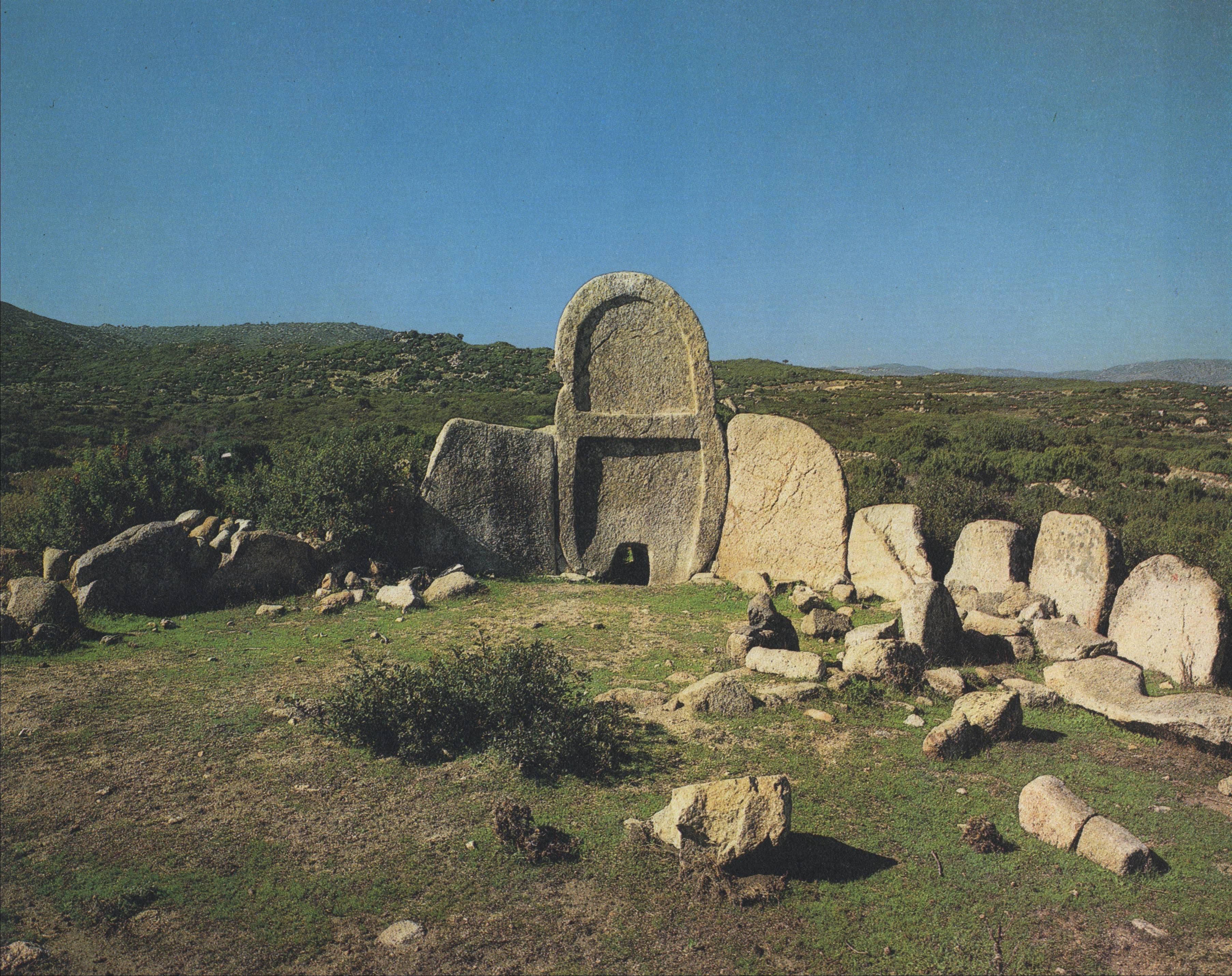
Monumental collective burials in which, between the Middle and Recent Bronze Age, communities laid their dead. The large exedra formed a ceremonial space mediating between the living and the ancestors.
Nomination to the UNESCO World Heritage List
The main forms of sacred and cult architecture in protohistoric Sardinia.
Monumental categories
Monumental collective burials in which, between the Middle and Recent Bronze Age, communities laid their dead. The large exedra formed a ceremonial space mediating between the living and the ancestors.
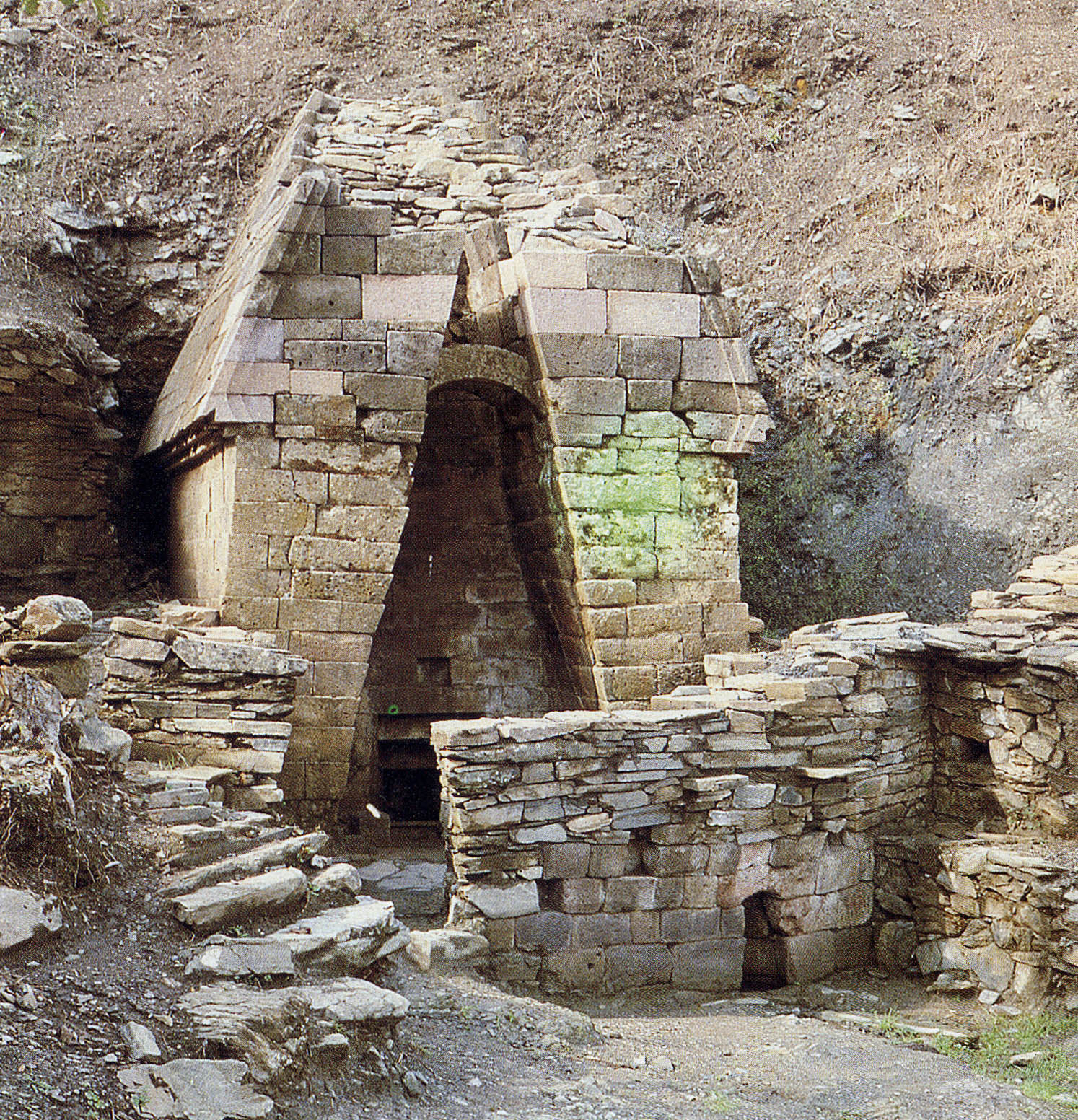
The core of protohistoric Sardinian religiosity, marking the island through architectural refinement and the symbolic centrality of water.
Rectangular sacred buildings with articulated rooms, paved floors, seats, hearths, altars and cult devices.
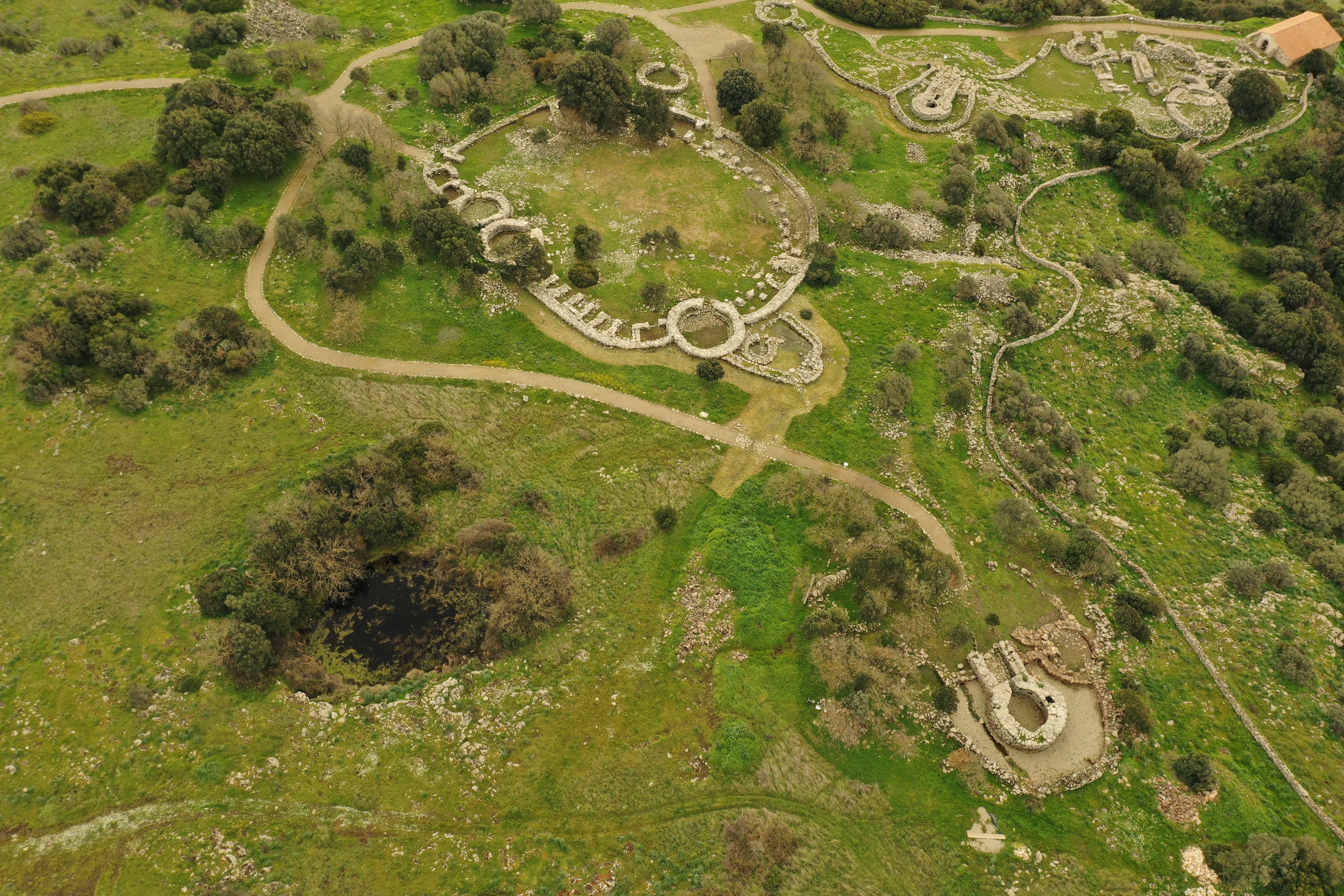
Multifunctional religious centres where communities from distant territories converged, integrating temples, assembly spaces and community structures.
Buildings for assemblies and representation, where political, social and religious functions were closely integrated.
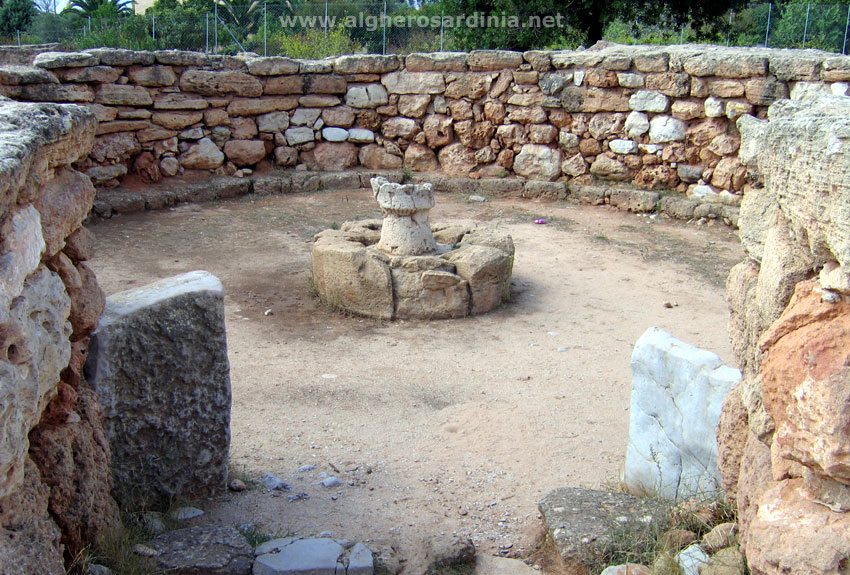
Circular structures with a central water basin, linked to purification rites and water cults.
Funerary and memorial spaces of the Early Iron Age, with the extraordinary case of Mont’e Prama and the cult of ancestors and heroes.